
















The U.S. Navy has demonstrated a system that translates mission plans created by human operators into instructions an autonomous aircraft can execute, connecting the service’s existing mission-planning process with autonomous aircraft.
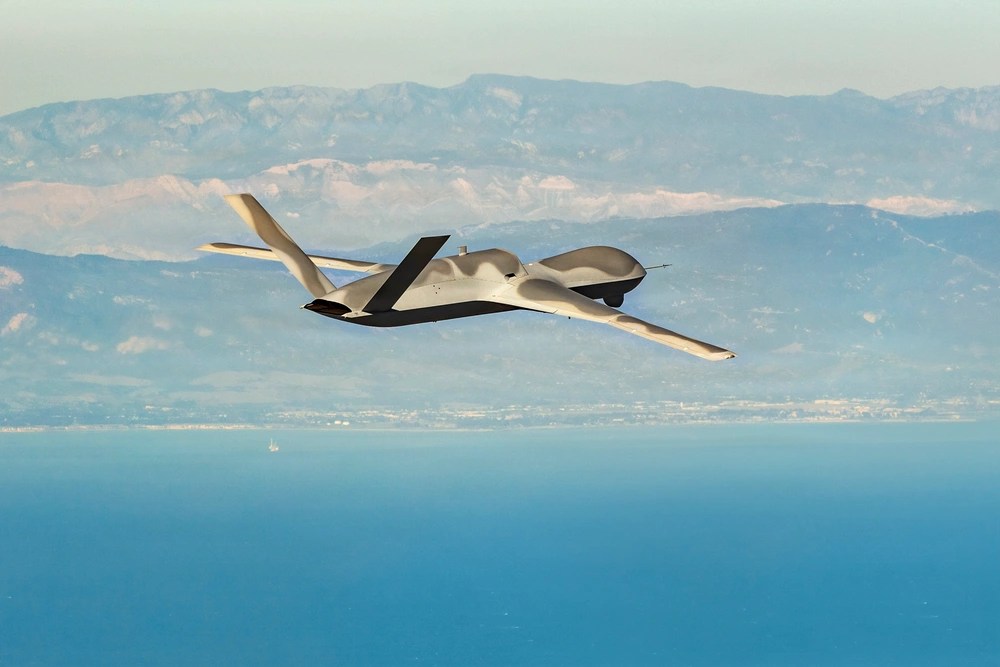
The Sept. 10 demonstration took place during Gray Flag 2026 at California’s Point Mugu Sea Range. A General Atomics MQ-20 Avenger served as a surrogate autonomous aircraft as the Navy tested its Collaborative Autonomy Mission Planning, or CAMP, capability from development of a mission plan through aircraft execution and review of the results.
Connecting Planners and Autonomy
Mission planners establish aircraft roles, timing, authorities and limitations in the Collaborative Mission Planning Continuum. CAMP then translates that information into a format an autonomous aircraft can use to perform its assigned portion of the mission.
“CAMP is about making autonomy more usable by integrating into mission environments with both manned and unmanned platforms,” Capt. Todd “Toby” Keith, PMX-281 program manager, said. “This demonstration showed how we can connect the way operators plan missions today in the CMPC with the way autonomous aircraft will execute those missions. That can reduce the burden on our operators, improve interoperability and help bring collaborative autonomy closer to operational use.”
Common Planning Across Aircraft
The Navy said CAMP is intended to work across different aircraft and autonomy systems rather than requiring mission planners to translate plans into separate platform-specific formats. The technology builds on the Navy’s Experimental Platform for Intelligent Combat program, which has demonstrated autonomous vehicle control, mission behaviors and coordinated operations using surrogate aircraft.
The test comes as the Navy develops other autonomous aviation programs. The service is seeking prototypes for carrier-capable combat aircraft, while the MQ-25A Stingray recently entered low-rate initial production following a $562 million contract award. CAMP addresses the mission-planning side of that broader shift by providing a common link between human planners and autonomous systems expected to execute portions of a mission.


0 replies