















Autoland System Uses Computer Vision

Gemini Sparkle

Key Takeaways:

  • Scientists at the Technical University of Munich have developed C2Land, a next-generation autoland system that operates without traditional ILS signals.
  • C2Land uses computer vision with visual and infrared sensors, GPS, and algorithms to visually acquire runways and calculate a glideslope, enabling autonomous landings at night and in poor weather.
  • A recent live test successfully demonstrated the system's ability to autonomously control a Diamond DA42 from initial alignment to a precise centerline landing, managing gear, flaps, power, and all axis controls without pilot input.
See a mistake? Contact us.
https://www.youtube.com/watch?v=tPFC7Ki2JT0

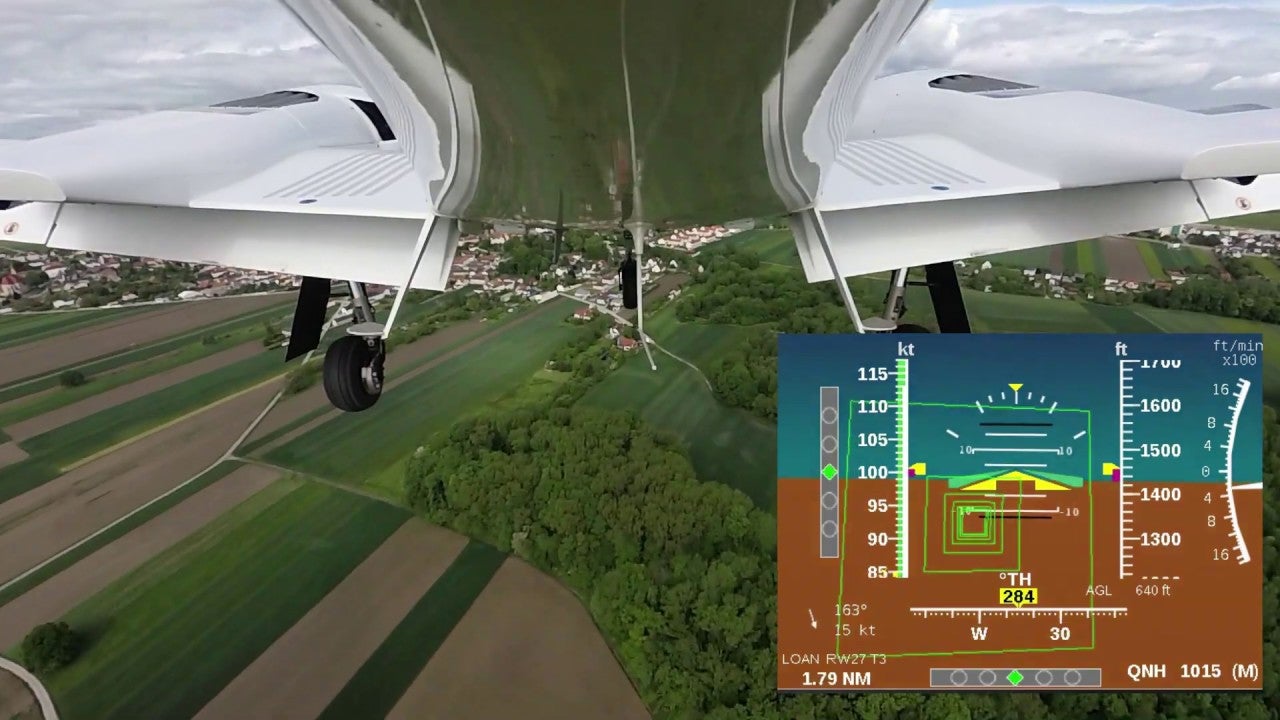
The next generation of autoland systems may not require any ILS signals to guide them. Scientists at the Technical University of Munich have equipped a Diamond DA42 with a system called C2Land that allows the aircraft to visually acquire the runway and then calculate a glideslope to put it on the numbers. Because the computer vision at the heart of the system uses visual and infrared sensors, it can find the runways at night and in poor weather and couple that with GPS and algorithms to bring the aircraft down.

After working on the theory and writing three scientific papers on the concept, the scientists conducted a live test a few weeks ago. A pilot was along for the ride and he got the TwinStar pointed in the right direction before the computerized eyes, hands and feet took over. With no input from the pilot, C2Land dropped the gear and flaps and adjusted power and all axis controls for a centerline landing just beyond the numbers.

Russ Niles

Russ Niles is Editor-in-Chief of AVweb. He has been a pilot for 30 years and joined AVweb 22 years ago. He and his wife Marni live in southern British Columbia where they also operate a small winery.
Sign-up for newsletters & special offers!

Get the latest stories & special offers delivered directly to your inbox

SUBSCRIBE