















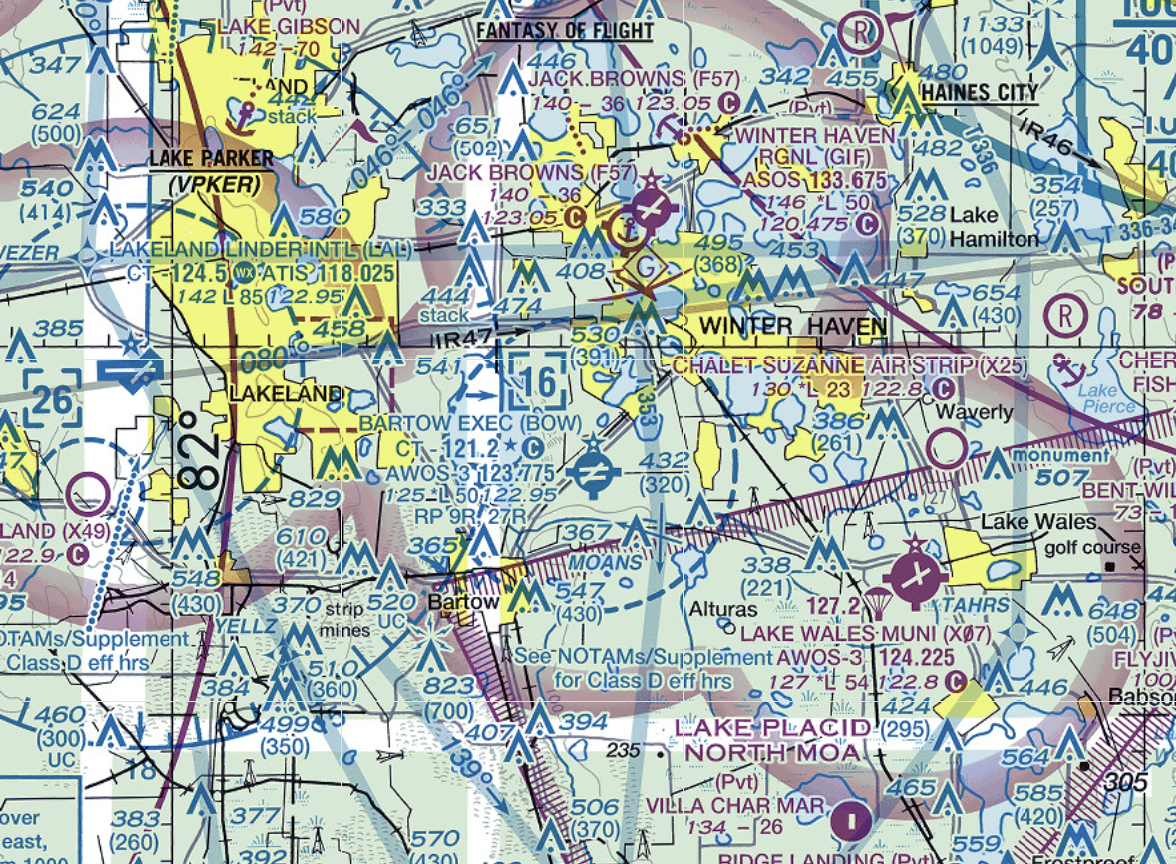

The FAA announced Friday that digital air traffic control towers are operational at Bartow Executive Airport in Florida and Kenai Municipal Airport in Alaska. The installations are the first under the agency’s newly approved digital tower program, although similar technology has previously been used in the United States.
How the Technology Works
Digital towers use high-definition cameras, sensors and digital displays to provide controllers with a continuous 360-degree view of runways, taxiways and surrounding airspace. The systems can also incorporate infrared cameras, aircraft identification tags and microphones that reproduce airfield sounds inside the control room. In September, the FAA issued its first system design approval to Frequentis for its smartVISION digital tower system, initially covering single-runway airports in Class D airspace. Bartow began operating its system that month.
“Digital towers provide controllers with greater visibility of airport activity and more information to make critical decisions,” FAA Administrator Bryan Bedford said in Friday’s announcement.
Earlier Remote Tower Experiment
The technology has previously been tested at Leesburg Executive Airport in Virginia, where a camera-based remote tower began providing air traffic control services in 2018. The FAA determined the system was operationally viable in 2021, but the agency discontinued the program in June 2023 after developer Saab withdrew from the system design approval process.
Controllers subsequently moved into a temporary mobile tower while the town pursued construction of a permanent facility. The decision prompted opposition from aviation organizations and elected officials.
Additional Airports Planned
The FAA said five additional airports will receive digital towers, including Winter Haven Regional Airport and Venice Municipal Airport in Florida, Montgomery County Airpark in Maryland, Johnston Regional Airport in North Carolina and Durango-La Plata County Airport in Colorado. Funding for the installations comes from the Working Families Tax Cut Act, which allocated $50 million toward digital tower deployment. The FAA said the technology could provide a lower-cost alternative to conventional towers, potentially expanding access to air traffic control services at smaller airports.
The installations are part of a broader ATC modernization effort that also includes new information displays and upgrades to aging communications infrastructure.


Missing from the list of previously completed projects in this story is the virtual tower installed in 2018 at the Northern Colorado Regional Airport (FNL) in Colorado. This digital tower was never fully certified by the FAA. Although the infrastructure appears to still be onsite, we are told it will never open.
It is too bad a successful company like Frequentis is not able to pick up the pieces at FNL and bring it up to operational standards. Instead, the FAA has utilized a temporary mobile air traffic control tower for the last 6 years, and a brick-and-mortar tower is now expected in the future.
I flew into Leesburg (KJYO) several years ago while the remote tower was in operation. The controllers couldn’t see all the aircraft approaching the airport as well as actually being there. I was given clearance to turn base which would have conflicted with another aircraft. They announced the problem and the controller changed my clearance and thanked them for alerting the tower. Hopefully, the new technology will give remote controllers better vision of the airport environment. It’s a good idea but the technology wasn’t up to par back then.