














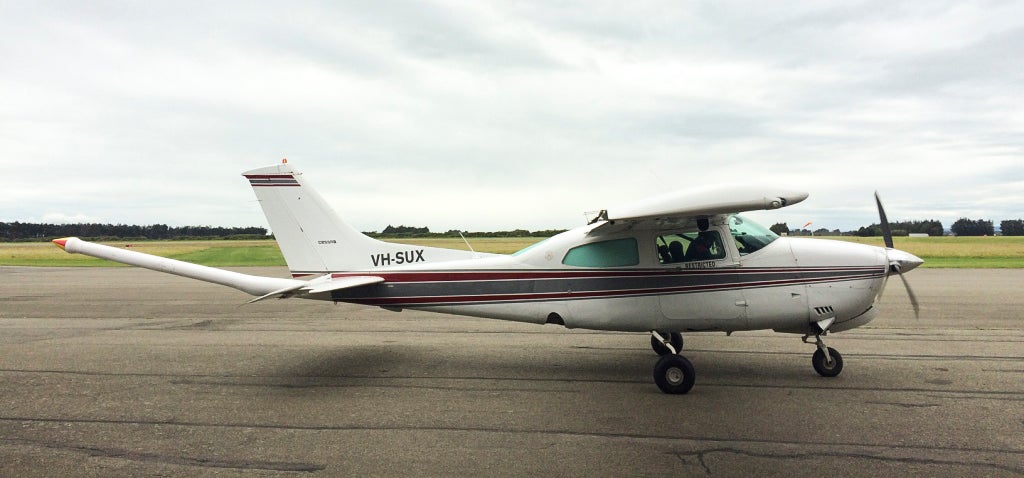

Following the fatal crash of a 1976 Cessna T210M in Australia, the Australian Transport Safety Bureau determined the aircraft had suffered a separation of the spar carrythrough structure, which prompted Textron to issue a Mandatory Service Bulletin to inspect the area on both the 210 and Cessna Cardinal/177 models.
While we previously reported on this issue, Textron’s guidance makes clear that the mandatory inspections within the next 10 flight hours apply to aircraft with more than 2500 hours’ total time that have been subjected to “severe” usage. For aircraft operated “typically,” the inspections would start at 15,000 hours’ total time. The accident airplane had been modified with additional fuel capacity and fitted with a tail-boom sensor pack, and had more than 12,000 hours.
While refraining from making the service bulletin into an Airworthiness Directive, the FAA nonetheless published an Airworthiness Concern Sheet on June 27 calling for feedback from owners and mechanics to help determine if the Australian accident was an anomaly or a possible precursor to corrosion-induced fatigue cracking of the carrythrough member on these cantilever-wing Cessnas. And now AOPA has joined in, asking members to submit their findings so that the association can help organize this data for the FAA.
AOPA says that “The information requested is intended to help the FAA determine the status of the affected fleet, including total time-in-service on airframes, any modifications or supplemental type certificates, and the usage environment in which aircraft are operated.” The association wants to submit feedback to the FAA by Aug. 1, 2019.
