














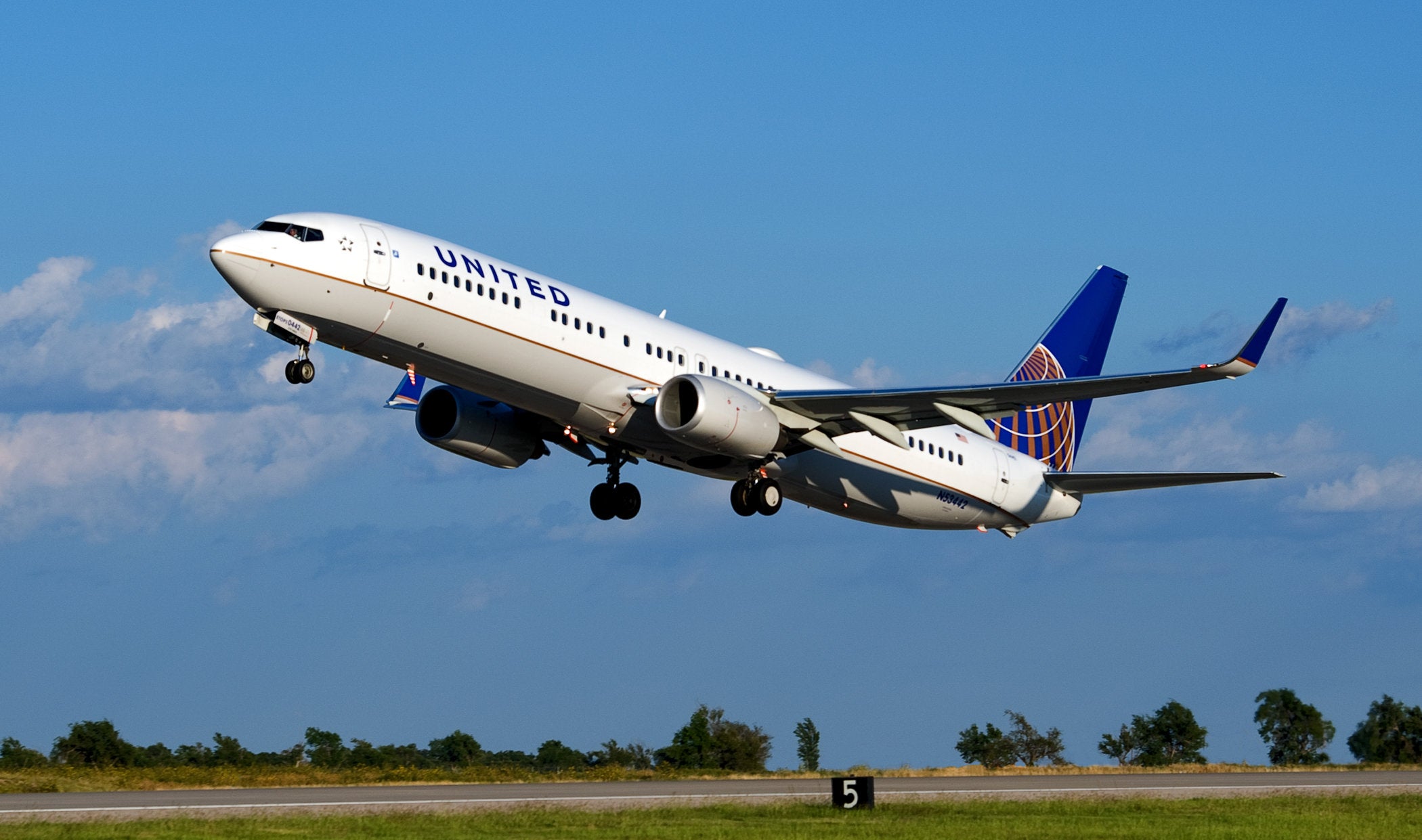

Last month, in the early days of the COVID-19 pandemic, GE announced a series of furloughs and reductions totaling 10 percent of its workforce, but now says that reductions will be closer to 25 percent through “voluntary and involuntary actions.” Meanwhile, United Airlines will cut 3,400 non-pilot positions in October, and is likely to lay off some 30 percent of its 12,000 pilots, according to reports in Reuters.
“We have to acknowledge that there will be serious consequences to our company if we don’t continue to take strong and decisive action, which includes making decisions that none of us ever wanted or expected to make,” Kate Gebo, executive vice president of human resources and labor relations, told United employees.
GE Aviation’s CEO, David Joyce, said that due to COVID-19, “The deep contraction of commercial aviation is unprecedented, affecting every customer worldwide. Global traffic is expected to be down approximately 80 percent in the second quarter when compared to the start of the pandemic’s effect in China in early February. Our aircraft manufacturers have announced reduced production schedules that will extend into 2021 and beyond reacting to the projected prolonged recovery. To protect our business, we have responded with difficult cost-cutting actions over the last two months. Unfortunately, more is required as we scale the business to the realities of our commercial market.”
With commercial air traffic running at around 10 percent of its pre-COVID levels, demand for new aircraft and engine overhauls have dropped to near zero, and the expectation is that demand will take a long time to recover.
