
















The U.S. House on Tuesday passed H.R. 3410, the Supersonic Aviation Modernization Act. The bill would require the FAA to revise or issue regulations within one year to allow civil aircraft to operate in the national airspace system at speeds above Mach 1 without special authorization, provided the aircraft is flown so that no sonic boom reaches the ground in the United States. Current federal rules dating to 1973 have generally barred civil supersonic flight over the United States.
The measure also would require the FAA to issue a final rule by April 1, 2027, setting noise standards for aircraft operating under the law, with those limits not exceeding the most recent takeoff and landing noise levels required for subsonic aircraft now in service.
The FAA’s final rule would need to include a process for reviewing and updating those noise standards as aircraft noise-reduction technology changes.
Rep. Troy Nehls, R-Texas, celebrated the bill’s passage.
“Today, the House passed my bill, which ensures the United States doesn’t fall behind our foreign adversaries in aviation innovation,” Nehls said. “For decades, FAA regulations have held back American innovation and supersonic flight.”
The NBAA also praised the bill in a statement following the vote.
“NBAA commends the House for passing these measures, which are key to preserving America’s global leadership in aviation and aerospace,” NBAA President and CEO Ed Bolen said.
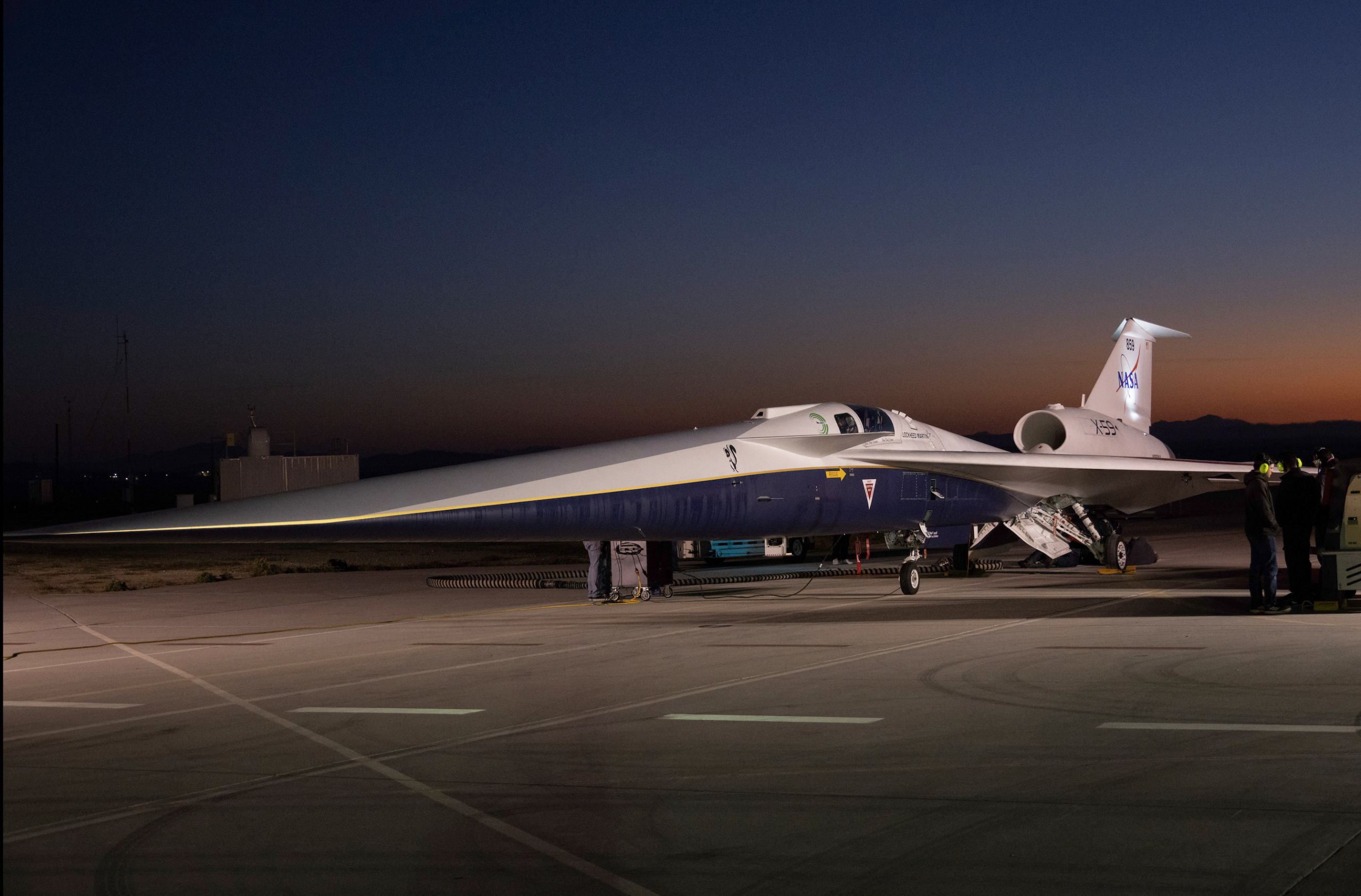
The vote comes as NASA continues flight testing of the X-59, an experimental aircraft developed to collect data on quieter supersonic travel over land. NASA said the aircraft made its first flight in October 2025, beginning a test campaign intended to examine handling, safety and, later, higher-speed operations. A second flight on March 20 ended early after an in-flight warning, but NASA said the aircraft landed safely and that testing is expected to continue.


Seems just more detail/thoroughness.
Blake Scholl will be happy:
A good read on supersonic airliners, government spending and interference, …