















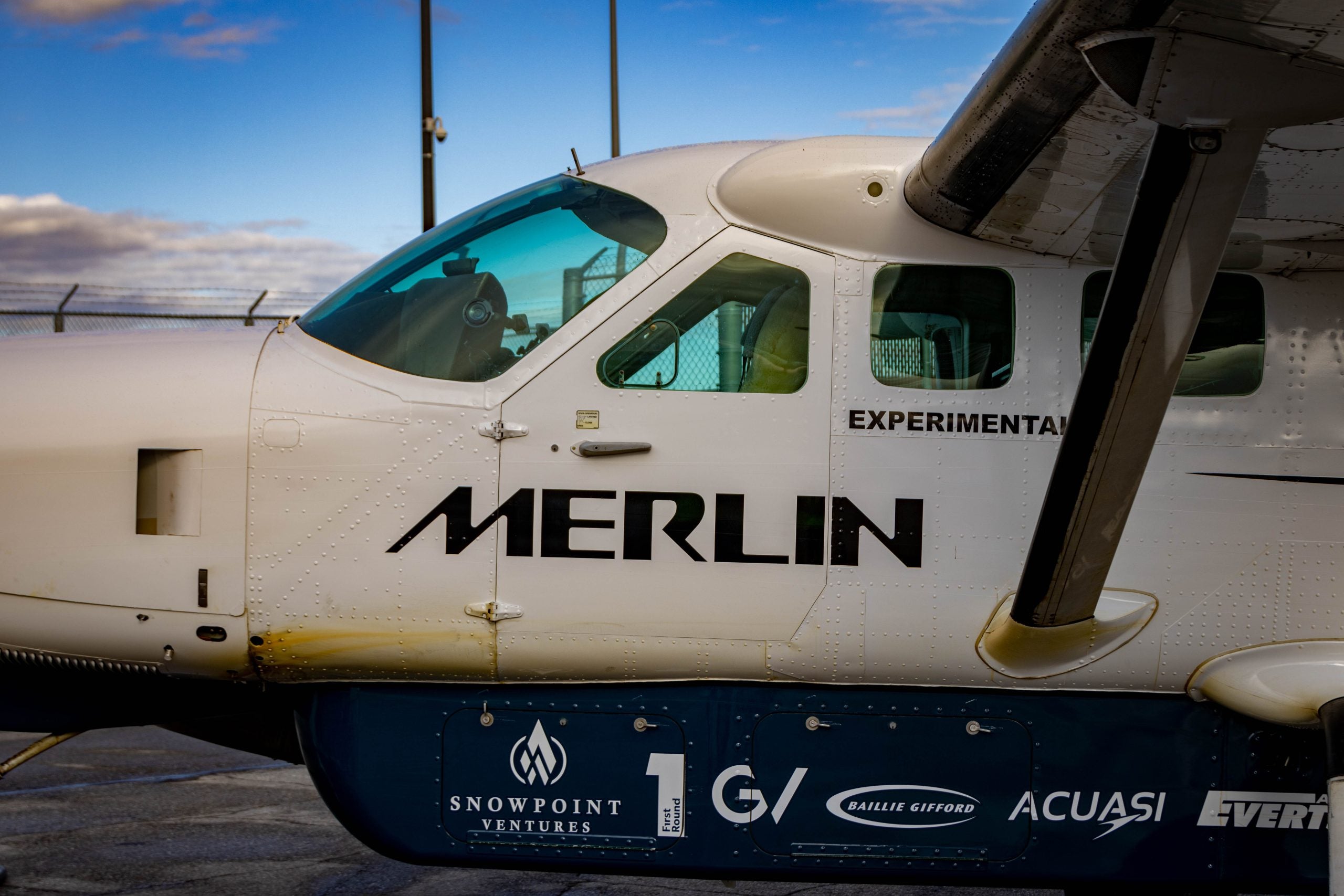

Merlin announced Thursday that it is developing a version of its Merlin Pilot autonomous flight system for commercial cargo aircraft, with plans to use the same core technology it is testing on military transports. The company said the cargo program will be part of Condor, a new product line aimed at large, multi-crew aircraft, including civil freighters and military aircraft such as the C-130J.
Merlin Targets Commercial Cargo
The company said Merlin Pilot is intended to assist pilots during flight by handling tasks such as systems monitoring, environmental awareness and communications. Merlin says the system has flown hundreds of test flights on multiple aircraft types and is now in an airworthiness process with U.S. Special Operations Command for use on the C-130J. That program completed a preliminary design review in March, according to the company. Merlin also said it is working with freighter lessor World Star Aviation and is developing relationships in the passenger-to-freighter conversion market.
“The pilot shortage is structurally impacting operators and comes at a time when the conversion market is at record volume,” Merlin CEO and founder Matt George said. “The window to integrate autonomy, both during the Passenger-to-Freighter (P2F) conversion and in aircraft being currently built, is open, making this a particularly pivotal moment. Condor represents our approach to scaling autonomy across large, multi-crew aircraft, with the Merlin Pilot at its core. It’s being built to certify, advancing on real military aircraft with real regulators, and is designed to integrate into the aircraft operators already own.”
Regulatory Path Remains Gradual
A path to commercial use will depend on more than flight testing. Merlin would still need to complete the civil certification process, show how the system handles failures and unusual conditions, integrate the technology across individual aircraft types and satisfy operational requirements for training, maintenance, dispatch and crew procedures. Any move beyond cockpit assistance toward reduced-crew operations would also face additional regulatory review, since most current airline cargo operations are built around two-pilot crews. Its language around serving as a solution to a pilot shortage is also likely to face strong skepticism from the likes of pilots unions and other industry groups.
Regulators have so far pointed toward a gradual path for this sort of technology. The FAA’s AI safety roadmap calls for introducing AI through existing certification processes, while recent congressional report language directed FAA funding not to support reductions in flight deck crew for Part 121 operations. In Europe, EASA’s recent reduced-crew research found current cockpit designs could not sufficiently show an equivalent level of safety for extended minimum-crew operations.
The clearest near-term path for systems such as Merlin Pilot are likely in cockpit-assist roles, rather than as a replacement for a required crewmember, although the company is clear that its aims are higher. In the meantime, smaller commercial cargo operations, including some Part 135 flying, could potentially offer a shorter route in aircraft and operations where single-pilot service is already allowed.


0 replies