














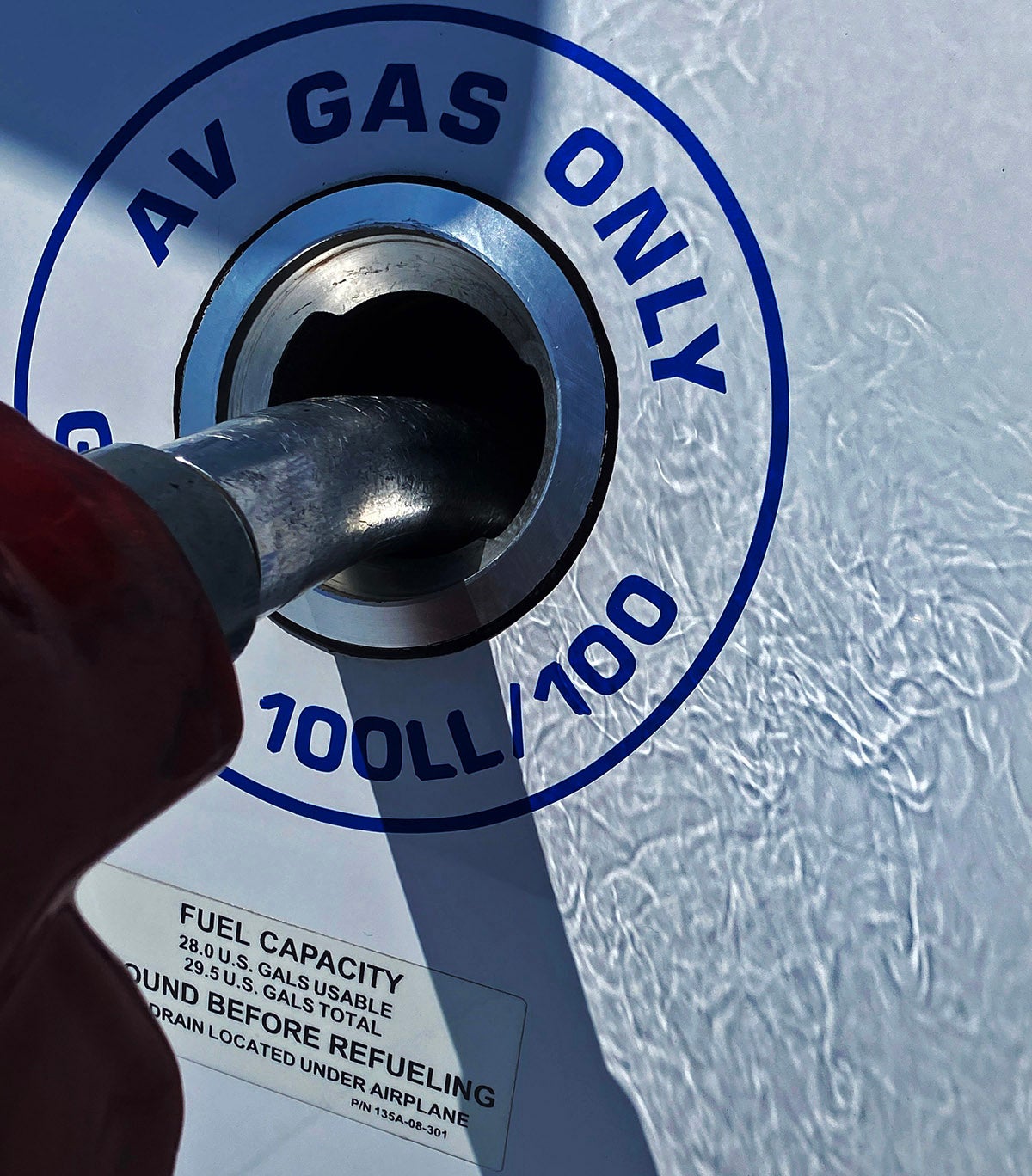

An effort to speed up the transition to unleaded avgas has emerged in a state where elected officials are on record as trying to delay it. In an op-ed published in the Anchorage Daily News, the Alaska Community Action on Toxics says a drop-in replacement for 100LL is available now (G100UL) and two others are pending (Swift and VP Aviation) and calls a recent statement by members of the Alaska House of Representatives “full of falsehoods.”
The statement calls on House members to support a resolution giving Alaska an extra four years to comply with the apparent FAA/EPA agreement to have a fuel ready by 2030. The recent FAA Reauthorization did give Alaska an extra two years to get it done but the House members say that will “potentially devastate both commercial and private piston engine-powered aircraft operations.” Among the allegations made by the House initiative is that “many small piston engine aircraft could face costs of up to $100,000 per unit, rendering them economically unfeasible and jeopardizing the existence of general aviation in Alaska.”
Of course, canceling GA in Alaska is a non-starter. Many isolated communities in the state are only reachable by air or on foot. Most of those places are populated mostly by indigenous people and that puts them disproportionately at risk from the effects of lead emissions. “With so many Alaskans put in harm’s way during aircraft operations, we might expect that our elected officials would push for the use of an unleaded alternative,” the op-ed says. “Instead, they are seeking to entrench leaded avgas by trying to undo EPA’s endangerment finding in Congress and to exempt Alaska from actions that could eliminate harmful lead emissions.”
