















On November 13, at approximately 3:30 p.m. Eastern Time, the FAA experienced a technical problem that resulted in a nationwide ground stop.
Our flight operations team received an official FAA message instructing us to suspend flight operations and bring our aircraft back to their home airport. The message came as a shock to everyone. Thousands of flights across the country were canceled, delayed, or forced to change their plans. At first, our flight operations team was unsure exactly what was happening. Our immediate priority was to inform everyone about the situation, suspend further operations, and account for every aircraft.
We needed to make sure all aircraft were safely on the ground, and no additional flights would depart. However, several of our airplanes were still in the air. Most were conducting routine VFR training flights, while a few were operating under IFR. Fortunately, South Florida had beautiful weather that afternoon, allowing pilots to coordinate with ATC, cancel their IFR clearances when appropriate, and return to the airport under VFR.
I can only imagine how unusual it must have been to receive a nationwide ground stop notification while flying, suddenly change your plans, and return to the airport. Cross-country flights presented another challenge. Imagine arriving at your planned destination, knowing that you might have to remain there until further notice, with no certainty about when you could continue your flight.
But this story is not about those flights. This story is about a student pilot flying solo.
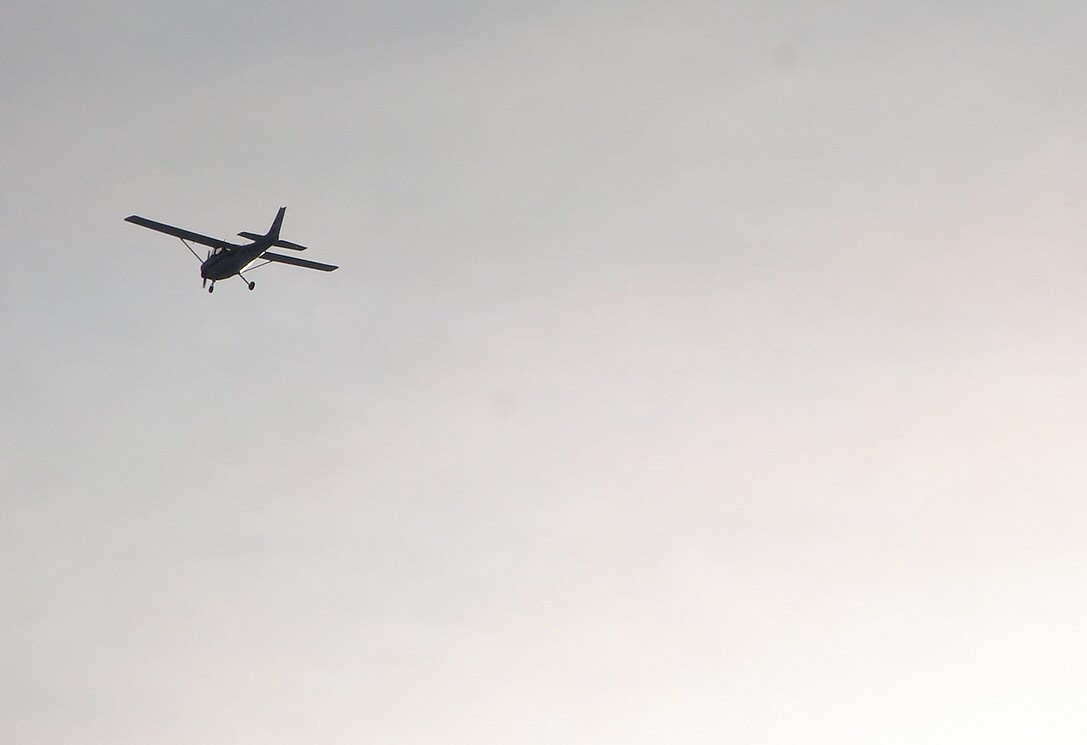
After receiving the FAA notification, we began accounting for our aircraft, both on the ground and in the air. We discovered that one of our Cessnas was still airborne, with a student pilot flying alone. He had received a message from air traffic control that flight operations across the entire country were being suspended. Solo flying is already stressful for many inexperienced pilots. There is no instructor sitting beside you to answer questions, offer reassurance, or help you make decisions. As flight instructors, we spend countless hours preparing our students for unexpected situations. We practice changing weather conditions, communication failures, emergency procedures, and diversions. We try to prepare them for as many scenarios as possible. But can we prepare them for everything?
Of course not. A nationwide ground stop is an extremely rare event. It is certainly not something we normally include in a flight training syllabus. Nobody expected it to happen that afternoon. But it happened. And now we had a student pilot alone in the airplane, trying to understand what a nationwide ground stop meant for his flight. Our responsibility was to bring him and the airplane safely back to the airport. We contacted the student through the UNICOM frequency. The most important thing was to keep him calm. We explained that nothing was wrong with his airplane, that the airport was safe, and that he could return without any unnecessary complications. I also contacted the control tower manager to make sure the student would receive the necessary support and could follow a normal arrival procedure. After spending a few minutes discussing the situation with the student, I recommended that he contact the control tower and request a normal return for a full-stop landing. There was no need to make the situation more complicated than it already was.
Fortunately, the student landed safely. I met him after the flight, and we spent some time talking about what had happened. There was an important lesson in that conversation. It doesn’t matter what is happening outside your cockpit. You are still the pilot, and your first responsibility is to keep flying the airplane.
That Friday, something extraordinary happened in American aviation. Flight operations across the country were disrupted. Thousands of passengers experienced cancellations and delays. Airlines, airports, and flight schools were trying to understand what had happened and what would happen next. For many people, it was an inconvenience. For others, it was a logistical nightmare. But while everyone was talking about canceled flights, delayed passengers, and a nationwide aviation disruption, I kept thinking about something else. Somewhere above South Florida, a student pilot was sitting alone in a small Cessna, thousands of feet above the ground, hearing that flight operations across the entire country had been suspended. Just imagine how that must have felt.
We often talk about aviation safety in terms of regulations, procedures, checklists, and technology. But sometimes, the most important lesson is much simpler. No matter how complicated the situation becomes, no matter what is happening on the ground or across the country, the airplane still needs someone to fly it. And that someone is you.
Aviate first. Always.

0 replies