















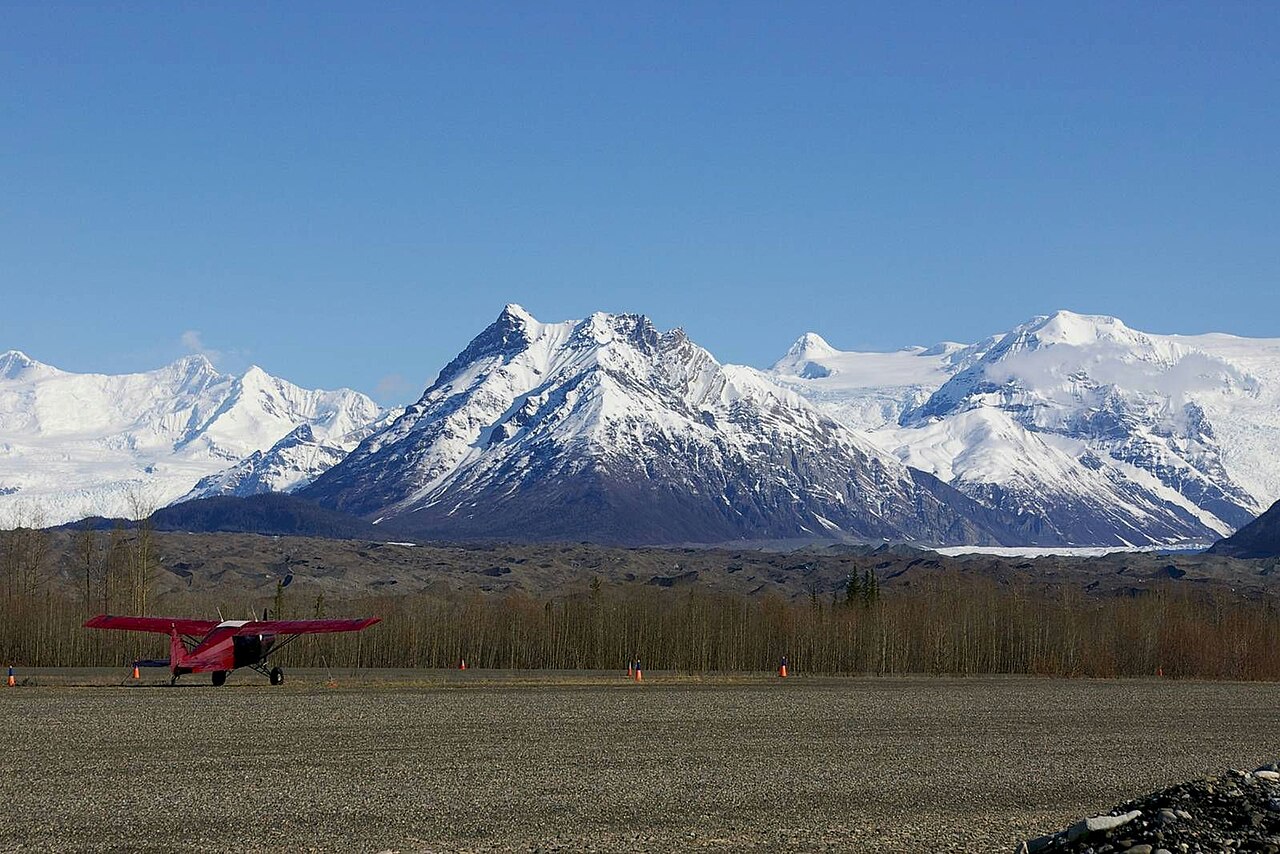

The U.S. Government Accountability Office (GAO) and Alaska Airmen’s Association will hold a listening session Wednesday, Nov. 4, to gather feedback on the state’s transition from 100LL aviation gasoline to unleaded alternatives. The session is scheduled for 1:30 p.m. AKST at the association’s headquarters in Anchorage and will provide an opportunity for pilots, aircraft owners and operators to discuss challenges associated with replacing leaded fuel.
Alaska’s Fuel Supply Challenges
Compared to the contiguous U.S., Alaska faces additional logistical challenges because many remote communities depend on piston-engine aircraft for transportation, medical services and deliveries of essential supplies. According to the government-industry EAGLE initiative, aviation fuel is commonly transported to remote locations by barge during the summer months and stored for a year or longer.
Many rural airports only have one fuel storage tank, further complicating efforts to introduce unleaded alternatives while maintaining existing 100LL supplies. Aircraft modifications, fuel compatibility and the cost of replacing or upgrading storage infrastructure present additional considerations for operators and airport managers.
Transition Target Set for 2032
The FAA’s transition plan, released earlier this year in July, establishes a four-phase approach to replacing leaded avgas nationwide. The plan targets 2030 for the transition outside Alaska and 2032 for Alaska, which allows for two additional years to address the state’s particular challenges. The agency’s final roadmap calls for coordination of Alaska’s fuel supplies approximately 24 months before the targeted completion date.
“Our move to safely integrate unleaded fuels is a collaborative effort that involves everyone from aircraft manufacturers and fuel suppliers to airports and the pilots in the cockpit,” FAA Administrator Bryan Bedford said when the plan was released in July.
The upcoming listening session will provide the GAO with input from Alaska’s aviation community as the state prepares for the transition.


0 replies