















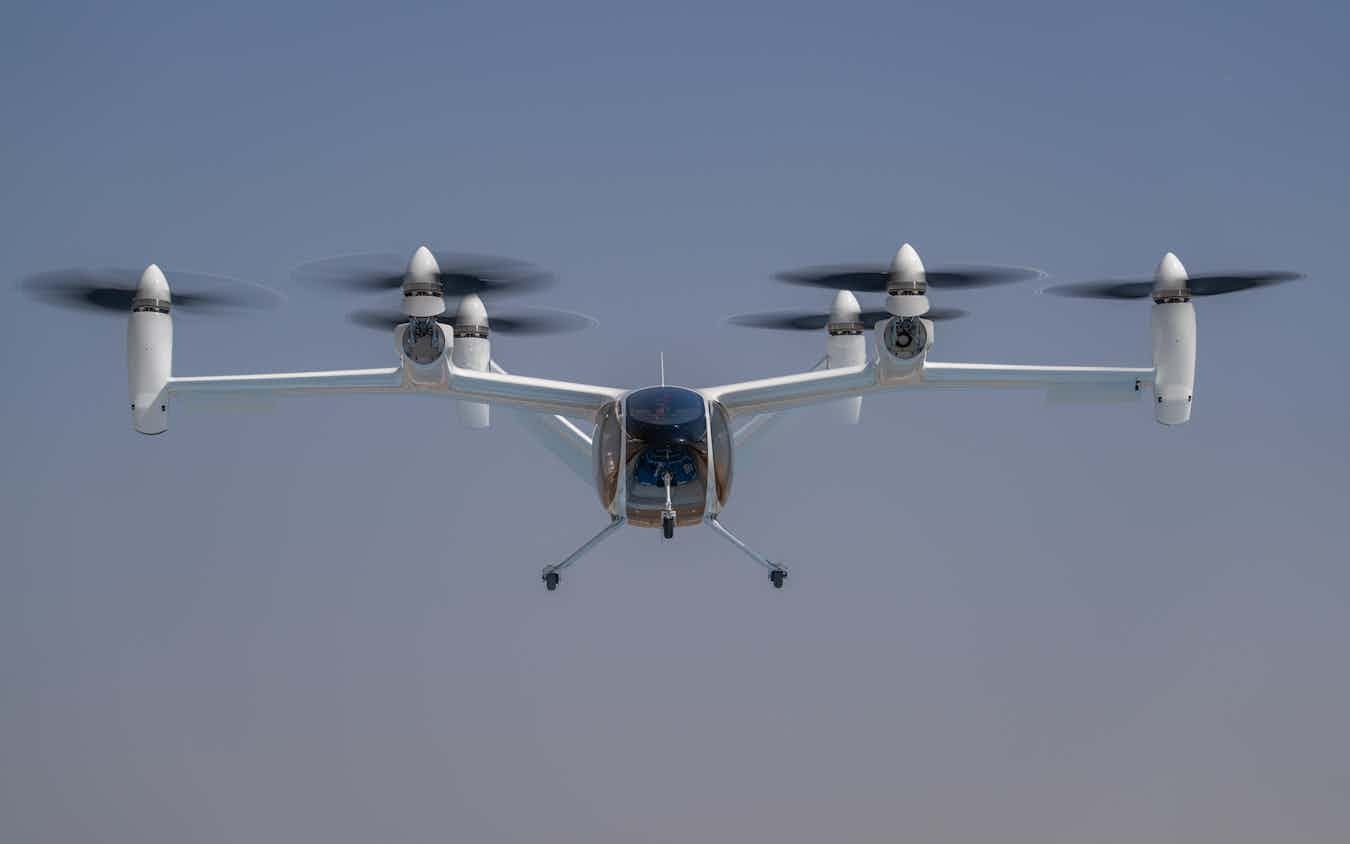

The U.S. Department of Transportation and the FAA announced Monday that they have selected eight proposals to participate in the Advanced Air Mobility and Electric Vertical Takeoff and Landing Integration Pilot Program (eIPP), an initiative intended to study how emerging aircraft technologies like eVTOL aircraft may operate within the national airspace system. Projects will involve state and local governments working with aviation manufacturers and operators to test a range of operational concepts.
Transportation Secretary Sean Duffy said the effort will help reshape American transportation.
“Working together, we will ensure America leads the way in safely leveraging next-gen aircraft to radically redefine personal travel, regional transportation, cargo logistics, emergency medicine, and so much more,” Duffy said.
Eight Pilot Projects Span 26 States
The selected proposals span 26 states and include projects led by the Port Authority of New York and New Jersey, the Texas Department of Transportation, the Utah Department of Transportation, the Pennsylvania Department of Transportation, the Louisiana state government, the Florida Department of Transportation, the North Carolina Department of Transportation and the city of Albuquerque.
According to the DOT, participating industry partners include companies such as Archer, BETA Technologies, Joby Aviation, Electra, Wisk, Ampaire, Elroy Air and Reliable Robotics.
Planned testing concepts include passenger eVTOL air taxi operations, regional passenger flights, cargo transportation, emergency response missions, autonomous flight technologies and offshore transportation operations.
Program to inform future regulations
FAA Deputy Administrator Chris Rocheleau said the program will provide important operational data to assist regulators as they shape future regulatory frameworks.
“These partnerships will help us better understand how to safely and efficiently integrate these aircraft into the National Airspace System,” Rocheleau said. “The program will provide valuable operational experience that will inform the standards needed to enable safe Advanced Air Mobility operations.”
Vertical Aviation International also commented on the initiative. In a statement VAI President and CEO François Lassale welcomed the project selections.
“Vertical aviation is entering a new phase of innovation, and programs like the eIPP help ensure that progress occurs within a disciplined, safety-focused framework,” Lassale said.
According to the DOT, flight operations associated with the pilot projects could begin as early as summer 2026.


0 replies