














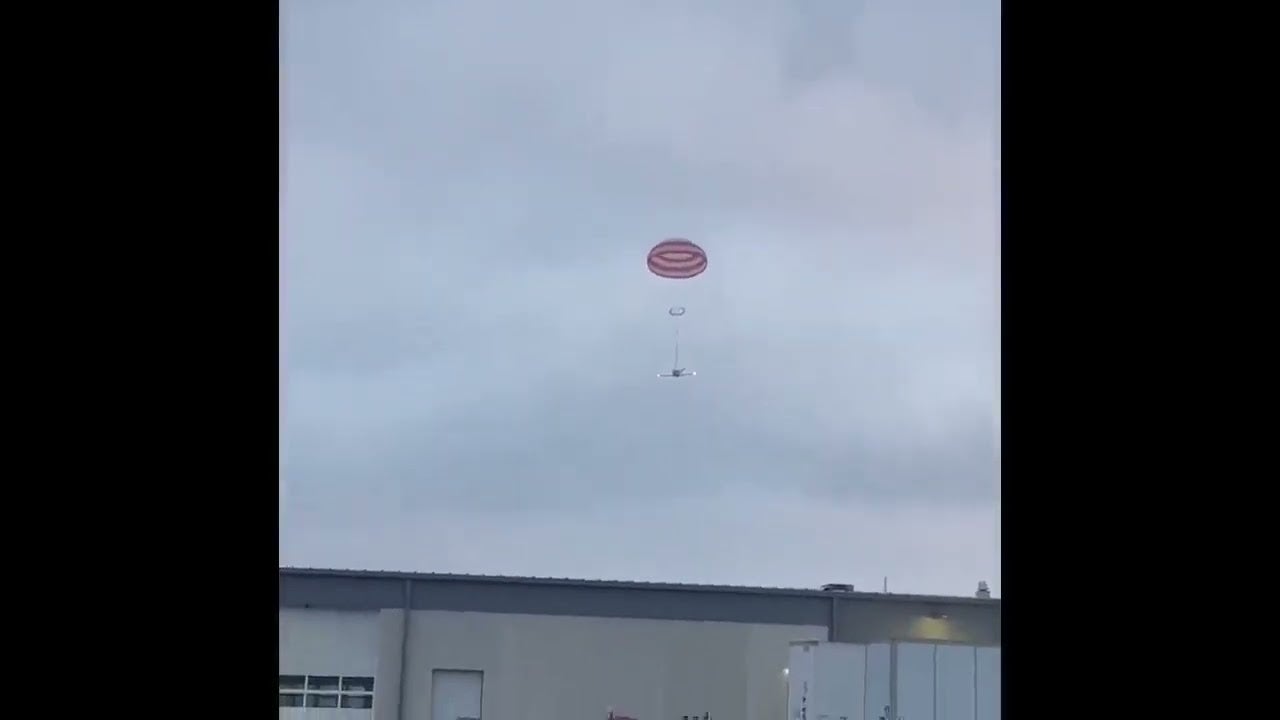

A Florida pilot escaped with only wet feet after his Cirrus SF50 lost power shortly after takeoff from Indianapolis Regional Airport on Friday morning. Timothy Borrup, 54, told local authorities the plane’s single jet engine faltered during the initial climbout and he pulled the CAPS handle. It turned out to be a textbook application of the system and the aircraft settled upright and mostly intact into a retention pond in an industrial area near the airport.
It was only the second use of the parachute system on a VisionJet and this one will likely be of significant interest to the agencies and the company because of the phase of flight. According to FlightAware, the plane reached only about 900 feet AGL before Borrup reached for the handle on the ceiling although there are other reports saying it got as high as 2,000 feet. The official minimum deployment height for the SF50 is 400 feet. The first SF50 CAPS deployment occurred in September near Orlando and three people were hurt in that mishap.
